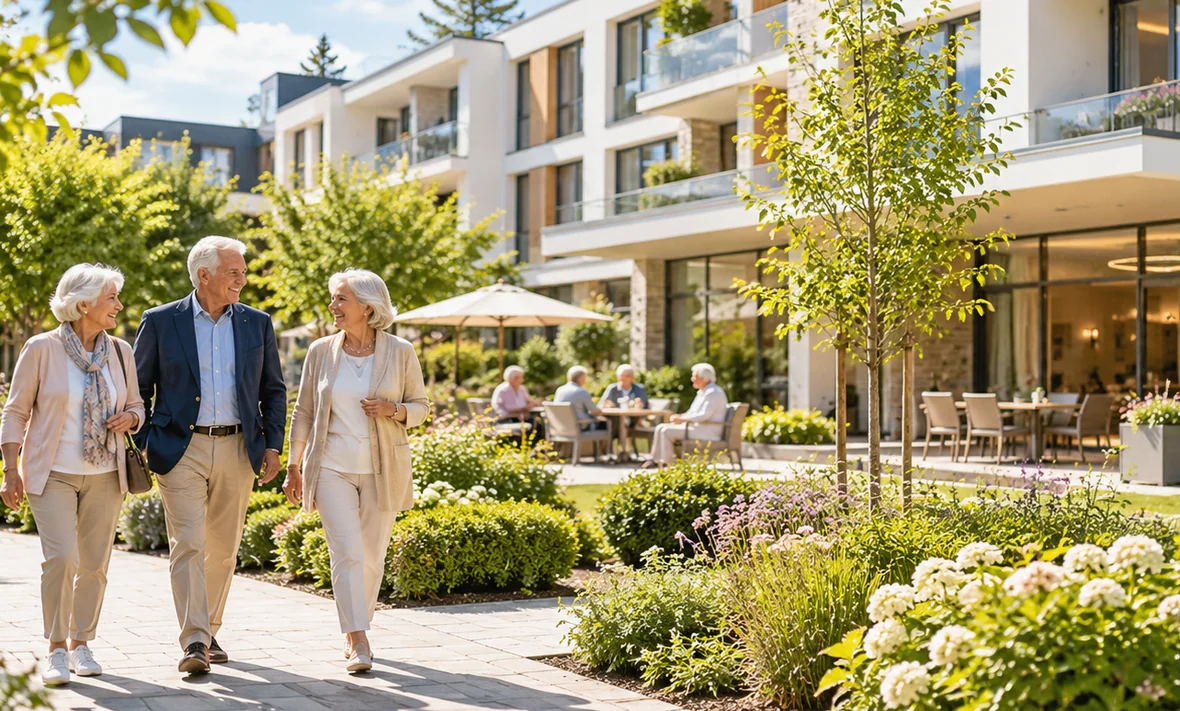
Housing choices for older residents
Expatriate retirees usually rent or buy houses in leafy Nairobi suburbs such as Karen, Runda or Lavington, or settle on the coast at Diani, Kilifi, Watamu or Malindi. Gated compounds with shared security and gardens are a common choice for older people.
Elderly care homes have multiplied in and around Nairobi, ranging from family-style homes with a handful of residents to larger facilities offering nursing, physiotherapy and dementia care. Published lists of Kenyan care homes help families locate options and compare services before visiting.
| Option | Typical features | Things to consider |
|---|---|---|
| House in a gated compound | Security, gardens, community | Service charges, need for a car |
| Coastal villa | Sea breezes, relaxed pace | Humidity, distance from major hospitals |
| Private care home in Nairobi | Nursing, meals, activities | Licensing, staff training, fees |
| Home care with hired staff | Familiar surroundings | Supervision and employment obligations |
Who provides elder care in Kenya
Families remain the primary carers for older Kenyans, often supported by domestic workers. Private operators, religious organisations and charities run residential homes, while the non-profit HelpAge International Kenya advocates for older people's rights, social protection and better health services.
Foreign residents typically employ a housekeeper, gardener and sometimes a driver, adding a trained caregiver or nurse when needed. Employment contracts, statutory contributions and clear duties protect both sides and reflect Kenyan labour regulations that apply to domestic employees.
The Class K permit and other residence routes
Kenya's Class K permit is designed for retired people with an assured income from outside the country, who undertake not to work. Applicants submit documents proving income, a police certificate and passport details through the government's online immigration services.
Spouses of Kenyan citizens and investors may qualify under other permits. Conditions, minimum income levels and fees are revised from time to time, so verify current requirements with the Department of Immigration Services or a reputable immigration adviser before relocating.
Medical care and insurance cover
Nairobi has well-equipped private hospitals offering specialist care, intensive care units and diagnostic imaging, and the coast has several private hospitals and clinics in Mombasa. Rural areas are far less served, which matters for retirees living outside the main towns.
International health insurance with medical evacuation cover is strongly recommended, and air ambulance memberships are popular among people living in remote areas. Confirm age limits, pre-existing condition rules and direct billing arrangements with Kenyan hospitals before choosing a policy.
Climate, popular areas and living costs
Nairobi and the central highlands enjoy mild temperatures thanks to altitude, with two rainy seasons. The coast is hot and humid, while towns such as Nanyuki and Naivasha offer cooler air, wildlife and views of Mount Kenya or the Rift Valley lakes.
Domestic staff and local produce are inexpensive, whereas imported goods, international-standard services and housing in sought-after suburbs can be costly. Security arrangements, generator backup and water storage commonly feature in household budgets, especially in larger properties outside city centres.
Checking leases, purchases and care agreements
Property purchases require a search at the lands registry and careful review by a Kenyan advocate. Note that foreigners generally hold land on leasehold rather than freehold terms, so confirm the remaining lease period and any restrictions before paying.
Care home contracts should specify services, staffing, medical oversight, fees and termination terms. British retirees should check whether their State Pension is uprated in Kenya, and every newcomer should compare costs of transferring income into Kenyan shillings via banks or specialist services.
Steps to retire in Kenya
A trial period, ideally covering both rainy seasons, helps to judge which area suits health and lifestyle. Preparing documents before departure saves time, as certified copies and police certificates are slower to obtain from abroad than many applicants expect.
- Visit Nairobi, the coast and highland towns before deciding
- Check Class K permit conditions and gather documents
- Buy international health insurance and evacuation cover
- Rent first in a secure compound or estate
- Have any purchase reviewed by an independent advocate
- Identify a care home or caregivers in case needs increase
Pitfalls to avoid
Experienced expatriates often warn newcomers about the same issues, chiefly linked to property, security and the gap between healthcare in Nairobi and elsewhere. Considering these risks early allows a more confident and sustainable retirement in the country.
- Buying land without a thorough registry search
- Assuming freehold ownership is available to foreigners
- Living far from hospitals with serious health conditions
- Neglecting security measures in isolated houses
- Working while holding a Class K permit
Are there care homes for foreigners in Kenya?
Several private care homes in Nairobi accept residents of any nationality, and some employ English-speaking nurses. Families should visit more than once, check licensing, staff qualifications and night cover, and speak with other residents' relatives before deciding on admission.
Which Kenyan region is most popular with retirees?
Nairobi suburbs attract retirees who value hospitals, shopping and an international community, while Diani, Kilifi and Malindi draw those wishing to live by the sea. Highland towns such as Nanyuki appeal to people seeking cooler air and wildlife.
Can a Class K permit holder work in Kenya?
No. The Class K permit is reserved for retired people with independent means and prohibits employment. Voluntary activities may be possible, but anyone wishing to work or run a business should seek a different permit category.
Is English sufficient for daily life in Kenya?
English is an official language alongside Swahili and is widely used in administration, healthcare and business. Learning basic Swahili greetings nevertheless helps daily interaction, particularly in markets, rural areas and with household staff, and it is generally appreciated as a sign of respect.
Sources and organisations
- Business Radar – Liste des maisons de retraite au Kenya — Detailed list of the main elderly care homes and residential facilities for older people in Kenya, with their locations.
- IBN – Permis de retraite kényan (Class K) — Overview of Kenya's Class K permit for retirees with sufficient income, including eligibility conditions, documents and application steps.
- HelpAge International Kenya — Profile of HelpAge International Kenya, the leading NGO advocating for the rights and wellbeing of older people in Kenya.