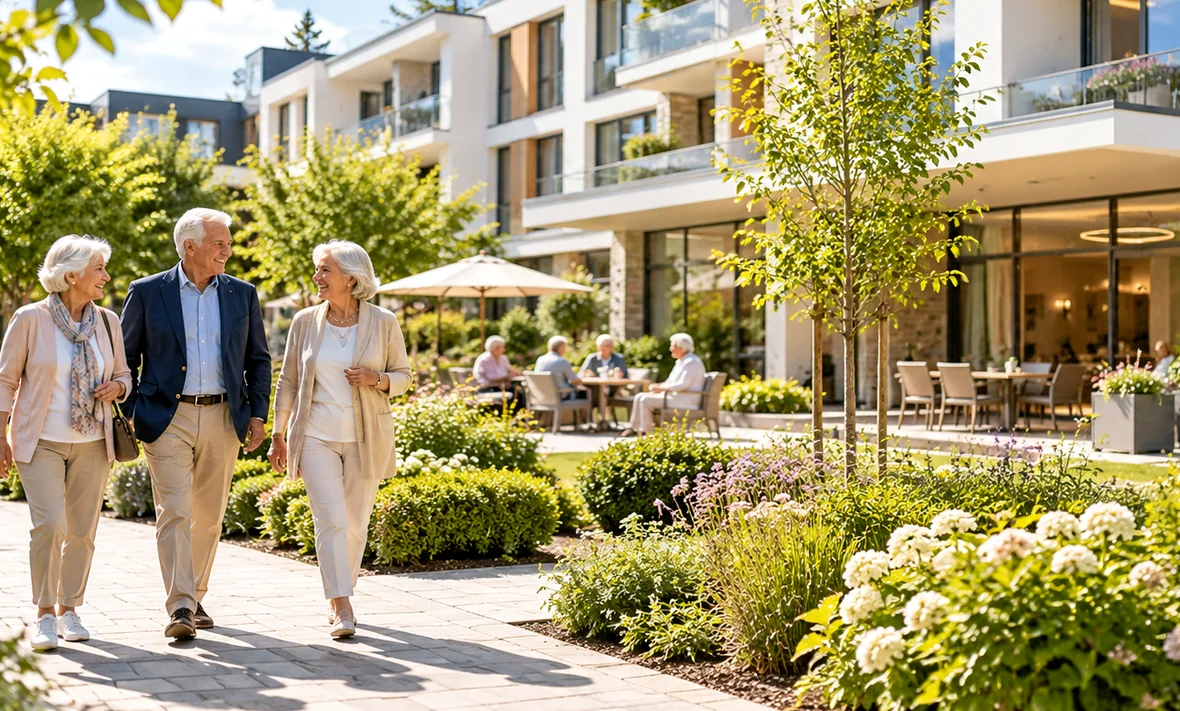
Housing options available to older foreigners
Most foreign retirees rent a house or villa, often with a garden and a guardian, in Antananarivo or in coastal areas such as Nosy Be, Mahajanga, Toamasina or Fort-Dauphin. Furnished rentals targeting expatriates are easier to find in Nosy Be and the capital.
Institutional care for older people is mostly provided by religious congregations and charities, primarily for poor Malagasy elders. Press reports describe families increasingly turning to such facilities, while a few investors are exploring serviced senior residences aimed at expatriates, a market still emerging.
| Option | Advantages | Challenges |
|---|---|---|
| Rented villa with staff | Space, privacy, low labour costs | Maintenance, security, power cuts |
| Apartment in Antananarivo | Proximity to clinics and services | Traffic, pollution, altitude |
| Seaside home in Nosy Be | Climate, expatriate community | Distance from specialised care |
| Charitable home for the elderly | Basic care and meals | Simple conditions, limited capacity |
Support networks and care at home
Malagasy households traditionally keep elders within the family. Expatriates commonly rely on house staff, a cook and a guardian, and may add a nurse or carer when necessary, usually recruited through recommendations from other foreigners, doctors or church networks.
French associations, consular networks and expatriate groups provide social ties and practical advice. Since professional elderly care is rare, discussing in advance where care would be provided in the event of serious illness, locally or abroad, is a wise precaution.
Residence rules for foreign retirees
Foreigners intending to stay long term usually obtain an appropriate long-stay visa from a Malagasy embassy before departure, then complete residence formalities in Madagascar. Retirees generally need to show a stable income, a clean police record and suitable accommodation.
Procedures can be slow and require numerous certified documents. Rules and fees change, so confirm requirements with the embassy or consulate, and keep copies of all receipts. Local advisers familiar with the immigration administration can facilitate the process for a fee.
Healthcare and evacuation planning
Medical services are concentrated in Antananarivo, where private clinics and some specialist practitioners operate. Outside the capital, facilities are basic, and serious conditions often require evacuation to Réunion, Mauritius, South Africa or Europe, which can take time to organise.
International health insurance with comprehensive evacuation cover is essential. Retirees with chronic illnesses should verify the availability of their medicines locally, carry adequate supplies and identify a trusted doctor quickly after arrival, keeping medical records accessible in French or English.
Climate, favourite areas and cost of living
The climate varies by region: Antananarivo's highland location brings cooler temperatures, while coastal regions are hot, with a rainy season and a cyclone season mainly from November to April. Nosy Be and the north-west attract retirees seeking sunshine and beaches.
Local food, household staff and rents are inexpensive by Western standards, while imported goods, vehicles and fuel can be costly. Power outages and water supply interruptions are common in places, so generators and water storage feature in many expatriate budgets.
Property and contract precautions
Foreigners face restrictions on acquiring land in Madagascar, and long leases or company structures are sometimes used. Such arrangements require independent legal advice and verification of titles at the land registry, as land disputes are frequent.
Rental contracts should clarify rent, deposit, staff responsibilities and repairs. Pensioners receiving a British State Pension should check whether it is uprated in Madagascar, and anyone transferring money should compare exchange costs into ariary and choose reliable banking channels.
Steps to prepare a move
A successful move to Madagascar depends on solid preparation regarding visas, health and security. Spending several weeks in the chosen area before signing long leases helps to assess daily realities such as power supply, road conditions and access to medical services.
- Visit Antananarivo and coastal towns during different seasons
- Obtain the appropriate long-stay visa before departure
- Buy health insurance with comprehensive evacuation cover
- Rent first and test daily life before any long commitment
- Seek legal advice before any land or lease arrangement
- Register with your consulate and expatriate associations
Pitfalls worth knowing
Retirees who left Madagascar after a few years often cite similar difficulties: healthcare gaps, administrative obstacles and unexpected costs. Considering these points before departure helps decide whether the island suits current health and future needs.
- Moving with a serious condition requiring regular specialist care
- Buying land through informal or unclear arrangements
- Underestimating power cuts and transport difficulties
- Neglecting evacuation insurance
- Expecting residential care services like those in Europe
Is Madagascar suitable for retirees needing regular medical care?
Generally not. Specialised follow-up is limited and often available only in Antananarivo or abroad. People with chronic conditions requiring frequent specialist attention may prefer destinations with stronger health systems, or should plan regular trips to Réunion, Mauritius or Europe.
Do I need to speak French or Malagasy?
French is widely used in administration, business and healthcare, and Malagasy is the national language. English is less common, so English-speaking retirees should anticipate language challenges and consider learning French or hiring a reliable interpreter.
Are there retirement residences for expatriates in Madagascar?
Very few exist. Some investors are exploring serviced residences for foreign seniors, but the market is still emerging. Most retirees organise their own housing and support staff, adapting arrangements as their needs evolve, and some return to Europe when daily assistance becomes necessary.
Which area of Madagascar is most popular with retirees?
Nosy Be is popular for its climate, beaches and expatriate community, while Antananarivo offers better healthcare and services. Some retirees divide the year between the capital and the coast, balancing comfort and medical access while keeping a foothold near the main hospitals.
Sources and organisations
- L'Express de Madagascar – Gériatrie et hospices — L'Express de Madagascar article on families increasingly turning to hospices and care facilities for their elderly relatives.
- Cyril Jarnias – Résidences services seniors à Madagascar — Analysis of the emerging senior serviced-residence market in Madagascar, aimed at expatriate retirees and property investors.