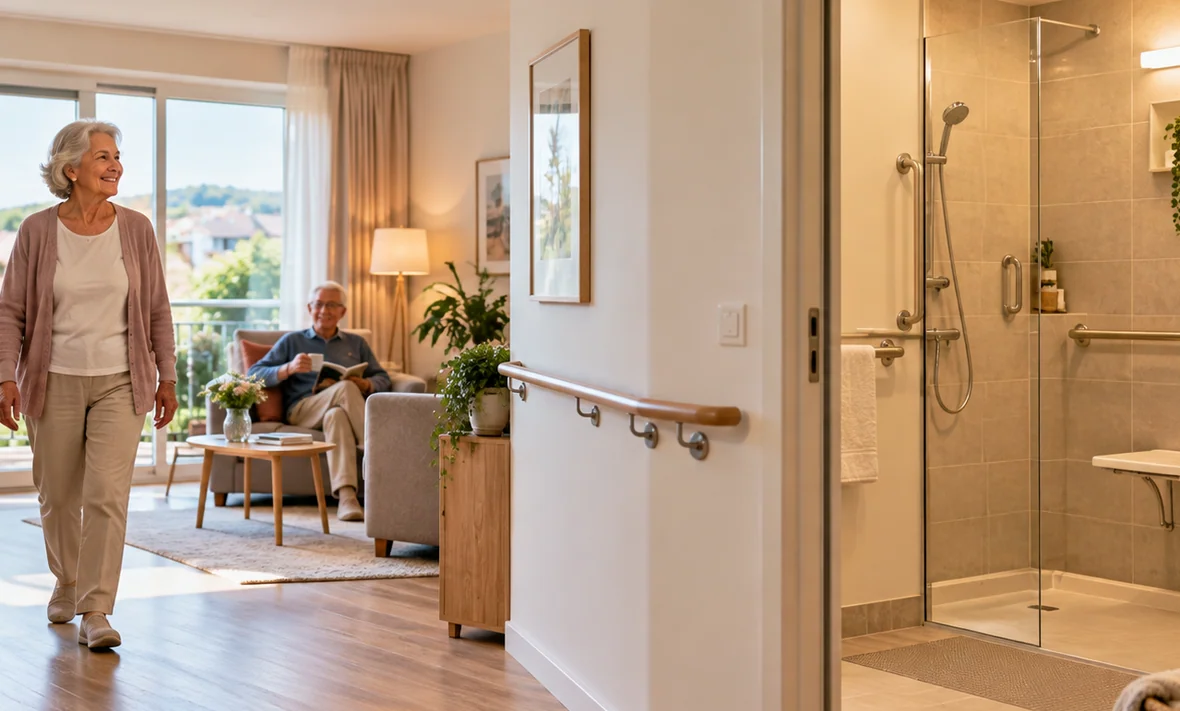
Housing arrangements for older foreigners
Foreign retirees in Nicaragua mostly rent or buy houses in Granada, León, San Juan del Sur or the highlands around Matagalpa. Traditional colonial homes with interior courtyards are attractive but often have uneven floors and steps that become difficult with age.
Specialised residences for foreigners are rare, and the few hogares de ancianos are generally run by churches, municipalities or charities for low-income Nicaraguans. Many retirees therefore plan to receive care at home, employing domestic staff and nurses as their needs increase.
| Arrangement | Advantages | Limitations |
|---|---|---|
| Rented house in a colonial town | Character, community life | Steps, heat and noise |
| Beach or gated community home | Quiet, outdoor living | Distance from hospitals |
| Home care with hired staff | Personalised, affordable | Requires supervision and contracts |
| Local hogar de ancianos | Community setting | Few places, basic facilities |
Who delivers elder care
Official responsibility for older people lies with the national social security and family ministries, but services focus on Nicaraguan citizens with contributions. Religious congregations and local charities run most residential homes, often depending on donations and offering simple accommodation and meals.
For foreign residents, private nursing agencies, clinics and individual caregivers fill the gap. Reliable arrangements usually come through recommendations from other retirees, physicians or parishes, and written agreements clarifying hours, duties and pay protect both parties.
Residence as a pensioner or rentier
Law 694 created residence categories for foreign pensioners with a lifetime pension and for rentiers with stable income from investments. Its implementing regulation sets out documents, procedures and benefits, including certain customs exemptions on household goods and a vehicle.
Applications go through the immigration authority, with income evidence, birth certificates, police records and health certificates, often requiring legalisation and translation. Requirements and processing times can change, so confirm current practice with the authorities or an experienced local lawyer before moving.
Healthcare and insurance
Private hospitals in Managua offer the most complete care, while regional towns have clinics for routine needs. Public hospitals are under considerable pressure, and most foreign residents generally rely on private insurance or local prepaid plans offered by private hospitals.
Medicare does not cover treatment in Nicaragua, so American retirees often combine local coverage with trips home. British readers should check whether their State Pension is uprated in Nicaragua and consider evacuation insurance for conditions that cannot be treated locally.
Cost of living, climate and preferred places
Day-to-day expenses such as food, transport and domestic help are among the lowest in Central America, although imported products and private healthcare cost more. Property prices vary widely, and resale can be slow, so renting first keeps options open if circumstances or priorities change.
The Pacific lowlands are hot all year, with a rainy season from roughly May to October. Highland areas around Matagalpa and Jinotega are cooler, while Granada and León combine heritage with services, and San Juan del Sur offers beaches and an expatriate community.
Checks before signing agreements
When engaging a caregiver or nursing agency, put duties, schedules, salary, social security contributions and notice periods in writing. Nicaraguan labour law protects domestic workers, and failing to respect it can create disputes or financial liabilities later.
Property purchases require particular caution: titles must be checked in the public registry and with municipal records, and beachfront land may carry special restrictions. An independent lawyer, rather than one suggested by the seller, should handle due diligence.
Steps to prepare a move
Given the limited care infrastructure and evolving political situation, preparation should be especially thorough and realistic. The sequence below helps retirees reduce risk while keeping enough flexibility to leave if conditions change unexpectedly over time.
- Read your government's current travel advice for Nicaragua
- Rent in two towns for several months
- Gather and legalise documents for pensionado residence
- Arrange private insurance with evacuation cover
- Identify a private hospital, a doctor and nursing contacts
- Draft written agreements with any domestic staff
Risks frequently overlooked
The most serious problems reported by foreign retirees involve property titles, healthcare emergencies and sudden administrative changes. The list below highlights issues worth weighing honestly before deciding whether Nicaragua is the right place to grow older.
- Buying land with disputed or incomplete title
- Living far from Managua with a chronic condition
- Ignoring changes in the political and legal climate
- Depending on a single caregiver without backup
- Keeping all savings in one local bank
What does Law 694 offer pensioners?
The law provides a residence status for foreigners with a qualifying lifetime pension, along with some tax and customs advantages on importing household goods. Benefits and conditions are defined in the law and its regulation, which should be checked in their current versions.
Are there care homes for English-speaking retirees?
Very few facilities in the country cater specifically to English speakers or foreign residents. Most retirees who need ongoing assistance arrange care at home, sometimes sharing caregivers with neighbours, or eventually return to their home country when needs become intensive.
Is Spanish essential in Nicaragua?
Outside a handful of tourist areas and expatriate circles, little English is spoken, including in hospitals and offices. Spanish is necessary for managing staff, healthcare and administration, and retirees who learn it tend to integrate much more easily into their towns.
Can a retiree work or run a business on pensionado status?
The pensioner category is designed for people living on external income, and engaging in local paid work generally requires different authorisation. Anyone planning a small business should seek specialised legal advice beforehand to avoid jeopardising their residence status.
Sources and organisations
- Justia – Reglamento Ley 694 pensionados y rentistas — Full text of the regulation implementing Law 694 on residence and incentives for foreign pensioners and rentiers in Nicaragua.
- Stamped Nomad – Nicaragua Pensionado Visa (Law 694) — Guide to the Nicaraguan pensionado visa under Law 694, covering age, minimum income, documents and customs benefits.